
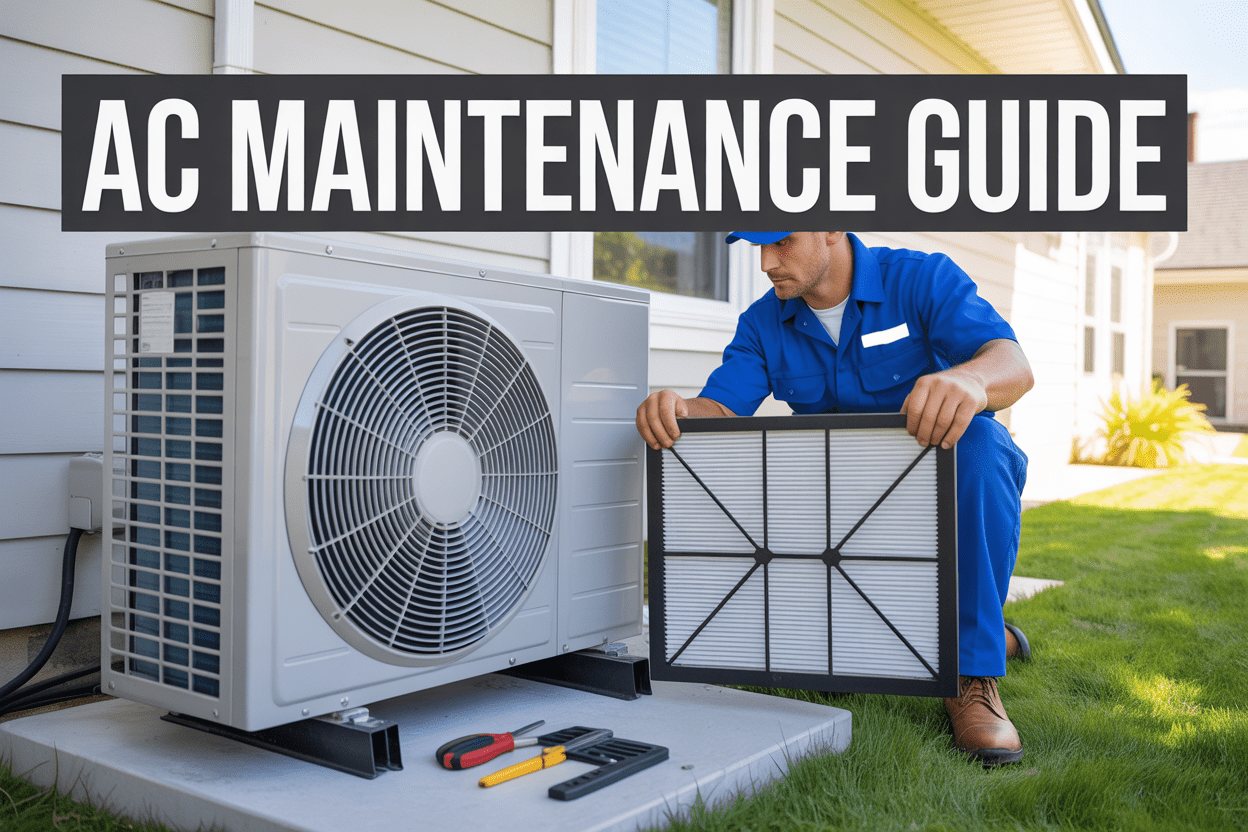
How to Maintain for Your AC Unit to Get the Best Performance:
A well-maintained air conditioning system keeps your home comfortable while saving money on energy bills. This guide is for homeowners who want to maximize their AC’s performance and extend its lifespan through proper maintenance.
Regular AC maintenance can cut your cooling costs by up to 15% and prevent costly breakdowns during peak summer months. Many homeowners overlook simple maintenance tasks that make a huge difference in system efficiency and air quality.
We’ll cover essential filter maintenance to keep your system running smoothly, outdoor unit care to prevent common performance issues, and energy-saving practices that reduce your monthly bills. You’ll also learn when to call professional AC repair services and how to find reliable AC service centres near you for annual inspections and complex repairs.
Essential Filter Maintenance for Maximum Efficiency
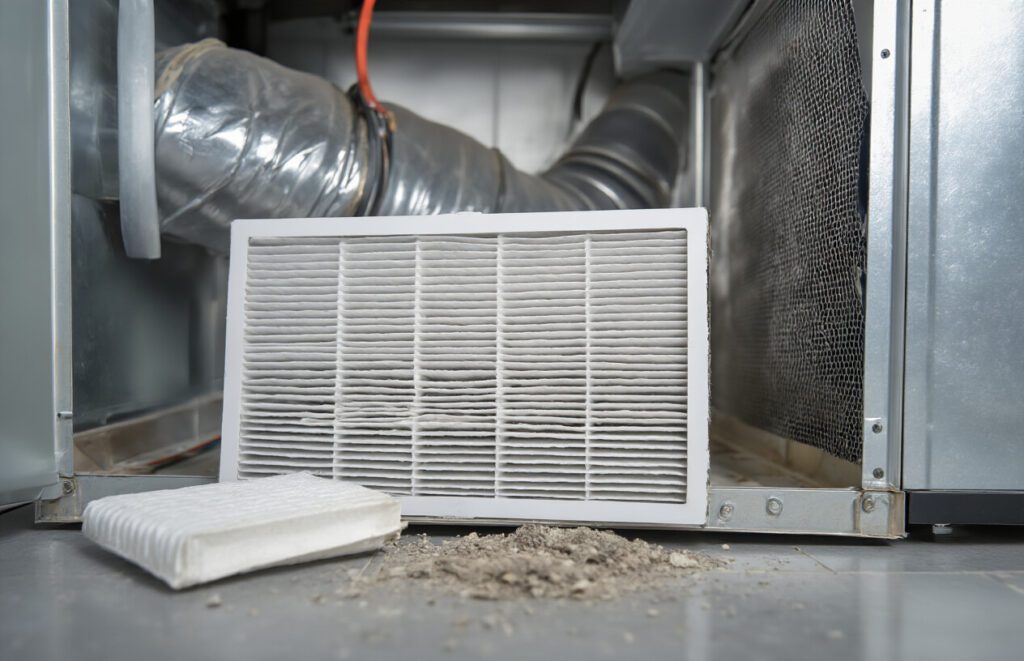
Replace filters every 30-90 days for optimal airflow
Your AC filter works like the lungs of your cooling system, and just like our lungs, it needs regular care to keep everything running smoothly. Most standard filters should be replaced every 30 to 90 days, but this timeline depends on several factors.
If you have pets, smoke indoors, or live in a dusty area, you’ll need to change filters more frequently—closer to every 30 days. Homes with minimal dust and no pets can stretch this to 90 days. During peak cooling months when your AC runs constantly, check your filter monthly regardless of your typical schedule.
A clogged filter forces your system to work harder, leading to higher energy bills and potential breakdowns. When airflow is restricted, your AC can’t cool your home efficiently, and you might find yourself calling an ac service near me for repairs that could have been prevented with simple maintenance.
Choose the right filter type for your specific unit
Not all filters are created equal, and using the wrong type can actually harm your AC system’s performance. The key is finding the sweet spot between filtration efficiency and airflow.
Basic fiberglass filters are the most affordable option and work well for protecting your equipment from large debris. These typically have a MERV rating of 1-4 and need replacement every 30 days.
Pleated filters offer better filtration with MERV ratings of 5-12. They capture smaller particles like dust mites and pet dander while maintaining good airflow. These can last 60-90 days in most homes.
High-efficiency filters with MERV ratings above 13 trap the smallest particles but can restrict airflow if your system isn’t designed for them. Before upgrading to these premium options, check your unit’s specifications or consult with AC maintenance professionals.
Filter Type | MERV Rating | Lifespan | Best For |
Fiberglass. | 1-4 | 30 days. | Basic protection |
Pleated | 5-12 | 60-90 days | Most homes |
High-efficiency | 13+ | 90+ days | Allergies/asthma |
Clean reusable filters properly to extend lifespan
Reusable filters can save money and reduce waste when maintained properly. These washable filters typically last 6-12 months with regular cleaning every 30-60 days.
Start by turning off your AC system completely before removing the filter. Rinse the filter with cool water, working from the clean side toward the dirty side to avoid pushing debris deeper into the material. Use a soft brush or vacuum to remove stubborn particles, but avoid harsh scrubbing that could damage the filter material.
Allow the filter to air dry completely before reinstalling—a damp filter can promote mold growth and reduce air conditioning efficiency. This drying process usually takes 2-4 hours, so plan your cleaning schedule accordingly or keep a spare filter on hand.
Never use harsh chemicals, bleach, or put reusable filters in the dishwasher, as these can break down the filter material and reduce its effectiveness.
Monitor filter condition indicators and warning signs
Your AC system and home environment will give you clear signals when it’s time for filter maintenance. Learning to recognize these signs helps you stay ahead of problems and avoid costly ac repair service calls.
Visual inspection is your first line of defense. A dirty filter looks gray or brown instead of white, and you’ll see visible debris buildup. If light can’t pass through the filter when you hold it up, it’s definitely time for replacement.
Reduced airflow from your vents indicates a clogged filter. You might notice some rooms aren’t cooling as well as others, or the air feels weak when you put your hand near a vent.
Higher energy bills without increased usage often point to filter problems. When your system works harder to push air through a dirty filter, it consumes more electricity.
More dust settling on furniture and surfaces means your filter isn’t capturing particles effectively. If you’re dusting more frequently than usual, check your filter condition.
Unusual odors or musty smells coming from vents can indicate a dirty or damp filter that needs immediate attention.
Outdoor Unit Care for Peak Performance
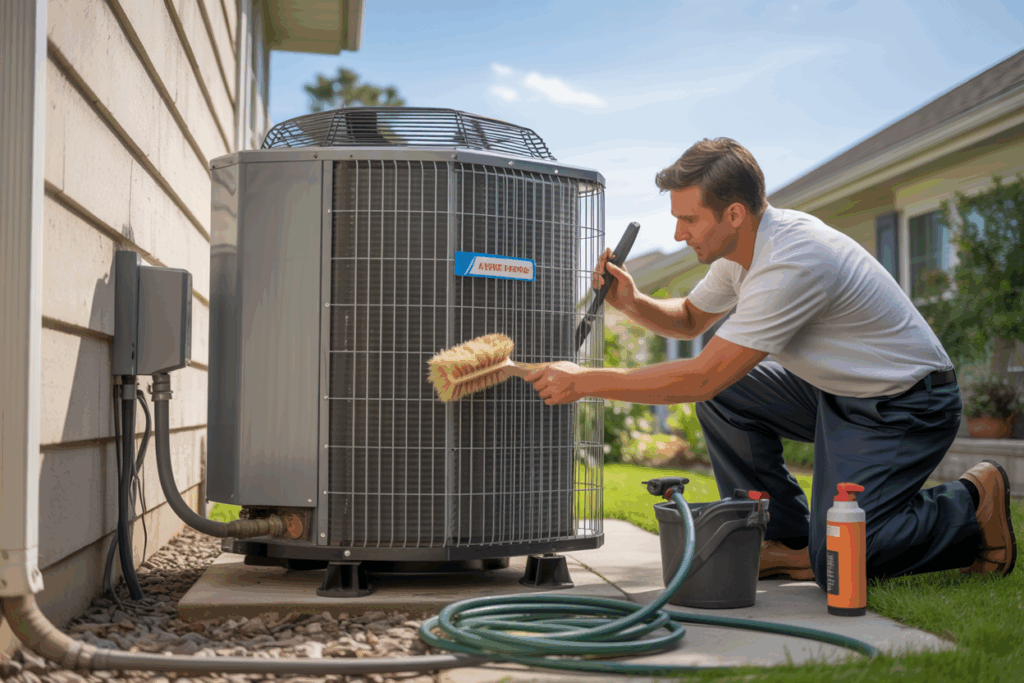
Clear debris and vegetation around the condenser unit
Your outdoor AC unit needs breathing room to function properly. Plants, leaves, grass clippings, and other debris can seriously hurt your system’s performance. Keep at least 2-3 feet of clear space around all sides of your condenser unit. This gives your AC the airflow it needs to release heat effectively.
Check around your unit weekly during peak seasons. Remove fallen leaves, trim back shrubs, and clear away any trash or outdoor equipment that might have migrated too close. Pay special attention after storms when branches and debris can accumulate quickly.
Don’t forget to look up too. Tree branches hanging directly over your unit can drop leaves and debris onto the top, blocking the fan and reducing efficiency. Trim back any overhanging branches to prevent this problem.
If you’re dealing with persistent vegetation growth, consider installing a small gravel or mulch border around your unit. This creates a natural barrier that discourages plant growth while still allowing proper drainage.
Clean condenser coils to prevent efficiency loss
Dirty condenser coils are one of the biggest culprits behind poor AC performance and higher energy bills. These coils release heat from your home’s air, but when they’re covered in dirt, pollen, and grime, they can’t do their job effectively.
Start by turning off the power to your unit at both the thermostat and the electrical disconnect box near the outdoor unit. Remove the top grille and fan assembly carefully – you’ll likely need a screwdriver for this step.
Use a garden hose with a gentle spray setting to rinse the coils from the inside out. This prevents pushing debris deeper into the coil fins. For stubborn buildup, commercial coil cleaners work well, but always follow the manufacturer’s instructions and wear protective gear.
Never use a pressure washer or high-pressure setting on your hose. The intense water pressure can damage the delicate coil fins and create more problems than it solves.
Clean coils typically need attention twice a year – once in spring before heavy AC usage begins, and again in fall. However, if you live in a dusty area or have pets that shed, you might need to clean them more frequently.
Straighten bent fins for proper air circulation
Those thin metal fins on your condenser coils are designed to maximize heat transfer, but they’re also incredibly fragile. Bent fins restrict airflow and reduce your AC’s efficiency, forcing it to work harder and use more energy.
You can buy an inexpensive fin comb at most hardware stores. These tools have different sized teeth to match various fin spacing. Before starting, make sure your unit is completely powered off and the area is well-lit so you can see what you’re doing.
Work slowly and gently when straightening fins. Insert the fin comb parallel to the bent fins and carefully draw it through in smooth, steady motions. Don’t force it – if you meet resistance, stop and try a different angle or approach.
Focus on areas where multiple fins are bent together, as these create the biggest airflow restrictions. A few isolated bent fins won’t significantly impact performance, but clusters of damaged fins definitely will.
While you’re working on the fins, watch for signs of more serious damage like holes, cracks, or severely crushed sections. These issues typically require professional AC repair service to fix properly.
Regular maintenance like this helps avoid costly repairs and keeps your system running efficiently. Many homeowners find that spending a little time on these tasks saves them money on both energy bills and emergency service calls.
Indoor System Cleaning and Maintenance
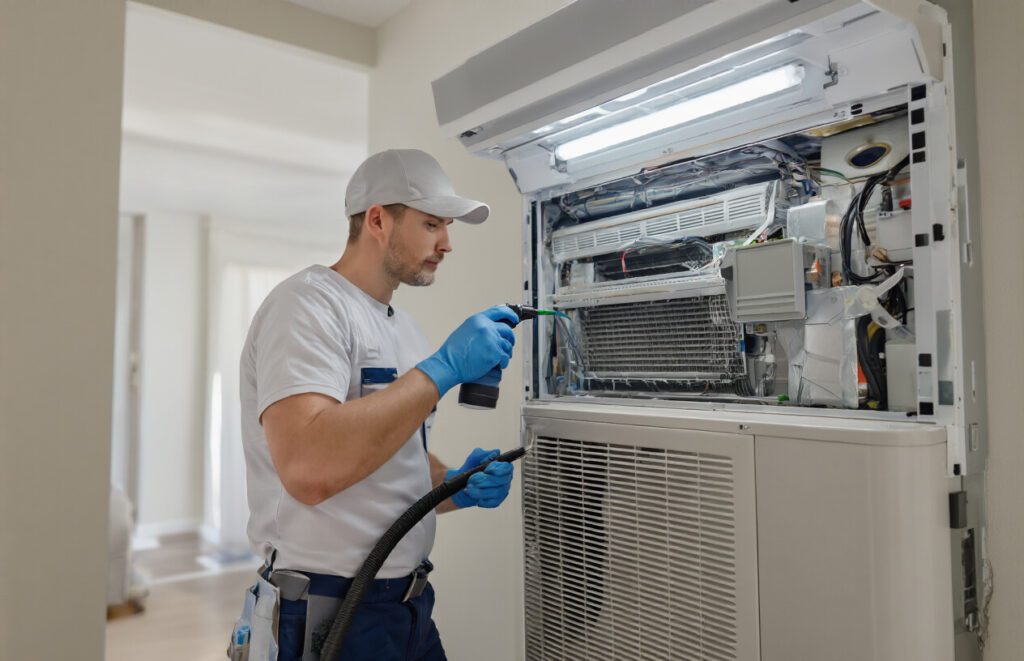
Keep Vents and Registers Free from Obstructions
Your AC system needs proper airflow to work efficiently, and blocked vents are one of the biggest culprits behind poor performance. Walk around your home and check every air vent and return register. Look for furniture pushed up against them, curtains hanging over them, or dust buildup blocking the openings. Even partial obstructions can reduce airflow by up to 25%, forcing your system to work harder and driving up energy costs.
Move sofas, beds, and other furniture at least two feet away from vents. Replace or clean vent covers monthly, especially during peak cooling season. If you notice weak airflow from certain rooms, the problem often starts with blocked registers rather than mechanical issues requiring professional ac repair service.
Clean Evaporator Coils to Maintain Cooling Capacity
The evaporator coils inside your indoor unit are where the magic happens – they absorb heat from your home’s air to create that cool, comfortable environment. Over time, these coils collect dust, pet hair, and other debris that acts like a blanket, preventing proper heat transfer.
Dirty evaporator coils can reduce your system’s cooling capacity by up to 30% and increase energy consumption significantly. While some homeowners attempt DIY coil cleaning, this delicate component requires careful handling. The fins are extremely fragile and can bend easily, leading to reduced efficiency.
For thorough evaporator coil cleaning, contact a qualified AC maintenance professional. They have specialized tools and cleaning solutions that safely remove buildup without damaging the coils. Regular professional cleaning typically costs much less than the increased energy bills from running a system with dirty coils.
Clear Condensate Drain Lines to Prevent Water Damage
Your AC system produces condensation as it removes humidity from your home’s air. This moisture travels through drain lines that can become clogged with algae, mold, or debris. A blocked condensate drain doesn’t just reduce efficiency – it can cause serious water damage to your home.
Check your condensate drain monthly by locating the drain pan under your indoor unit. Look for standing water, which indicates a clog. You can pour a cup of white vinegar down the drain line quarterly to prevent algae growth. However, if you discover standing water or notice water stains around your indoor unit, contact an ac service centre immediately.
Many HVAC professionals include condensate drain cleaning as part of routine maintenance visits. This preventive step costs far less than repairing water damage from an overflowing drain pan.
Dust and Vacuum Around Indoor Unit Components
The area around your indoor AC unit collects dust, pet hair, and debris that can get pulled into the system. Regular cleaning around these components prevents contamination and helps your system run smoothly.
Use a vacuum with a brush attachment to clean around the unit monthly. Pay special attention to the area near the air return, as this is where most debris enters the system. Wipe down surfaces with a damp cloth, but never spray cleaning products directly on electrical components.
Keep the surrounding area clear of storage items, cleaning supplies, and other clutter. This practice not only improves system performance but also makes it easier for technicians to perform maintenance when you schedule professional ac service.
Professional Maintenance and Inspections
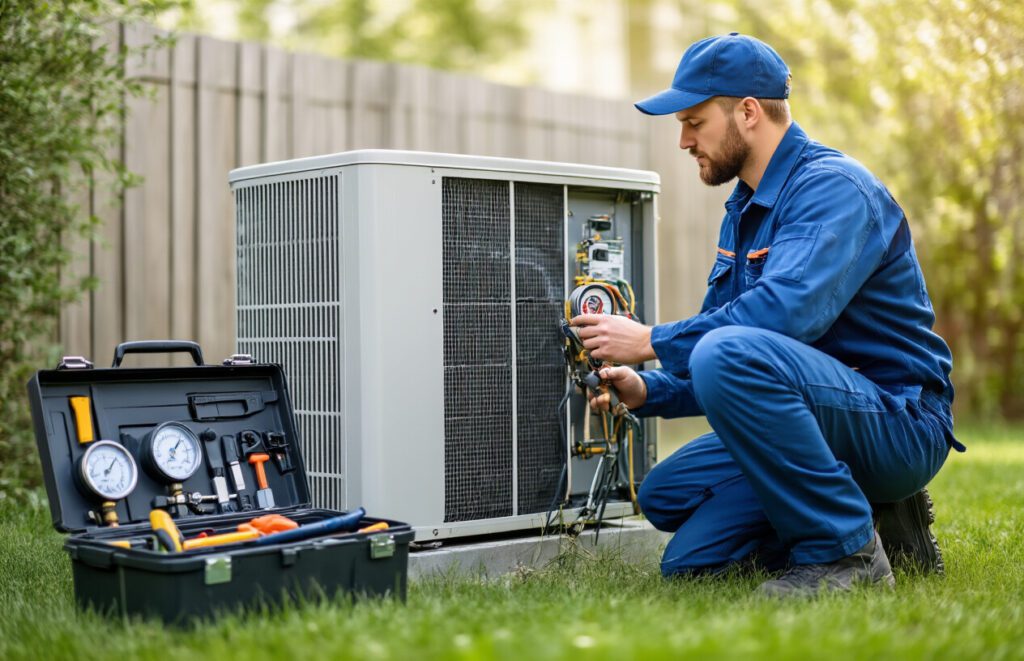
Schedule Annual Tune-ups with Certified Technicians
Professional AC maintenance goes beyond what homeowners can handle themselves. Certified technicians have the specialized tools and expertise to identify problems before they become expensive repairs. Most HVAC professionals recommend scheduling your annual tune-up during spring, before the cooling season kicks into high gear.
During a professional tune-up, technicians perform comprehensive inspections that cover electrical connections, motor operations, and system performance metrics. They’ll clean components that are difficult to reach, lubricate moving parts, and test safety controls. This proactive approach can extend your AC unit’s lifespan by several years and maintain optimal energy efficiency.
When searching for “ac service near me” or “ac repair service,” look for certified technicians with proper licensing and insurance. Quality AC services typically offer maintenance contracts that include priority scheduling and discounted rates on future repairs.
Check Refrigerant Levels and Detect Potential Leaks
Refrigerant is the lifeblood of your air conditioning system. Low refrigerant levels force your AC to work harder, leading to higher energy bills and potential compressor damage. Only licensed professionals should handle refrigerant-related maintenance, as it requires specialized equipment and EPA certification.
Professional technicians use electronic leak detectors and pressure gauges to assess your system’s refrigerant levels accurately. They can identify small leaks that might go unnoticed for months, preventing costly damage to your compressor and other critical components.
Signs that indicate potential refrigerant issues include:
- Ice formation on evaporator coils
- Reduced cooling capacity
- Unusual hissing sounds
- Higher than normal energy bills
If leaks are detected, certified technicians will locate the source, repair the leak, and recharge the system with the correct amount of refrigerant.
Calibrate Thermostat Settings for Accurate Temperature Control
An improperly calibrated thermostat can cause your AC to cycle on and off incorrectly, wasting energy and reducing comfort. Professional HVAC technicians have the tools and knowledge to ensure your thermostat reads temperatures accurately and communicates properly with your cooling system.
During calibration, technicians will test the thermostat’s temperature sensors, check wiring connections, and verify that the unit responds correctly to temperature changes. They may also recommend upgrading to a programmable or smart thermostat that can optimize your cooling schedule based on your daily routine.
Modern thermostats offer advanced features like remote control through smartphone apps, learning capabilities that adapt to your preferences, and energy usage reports. Professional installation and calibration ensure these features work correctly and deliver maximum energy savings while maintaining consistent comfort throughout your home.
Energy-Saving Operating Practices
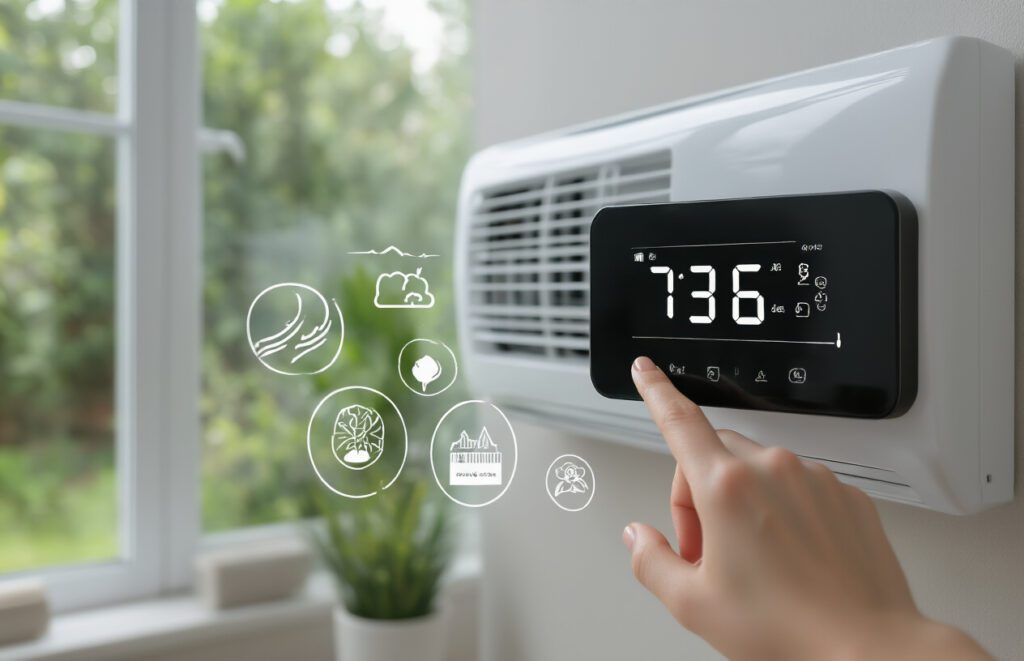
Set Optimal Temperature Ranges for Different Seasons
Finding the sweet spot for your thermostat settings can dramatically reduce your energy bills while maintaining comfort. During summer months, set your AC to 78°F (26°C) when you’re home and bump it up to 82-85°F when away. Winter heating should target 68°F (20°C) during the day and drop to 65°F at night. These temperatures strike the perfect balance between comfort and efficiency, preventing your system from working overtime.
Each degree you adjust can save 6-8% on your cooling and heating costs. Many homeowners make the mistake of cranking the thermostat to extreme settings, thinking it will cool or heat faster – but AC systems work at consistent rates regardless of the temperature setting.
Use Programmable Thermostats to Reduce Energy Waste
Smart thermostats are game-changers for AC maintenance and energy savings. These devices automatically adjust temperatures based on your schedule, eliminating the guesswork and forgotten manual adjustments. Program different settings for weekdays, weekends, and vacation periods to maximize efficiency.
Modern programmable thermostats learn your patterns and can reduce energy consumption by up to 23%. Some models connect to your smartphone, allowing remote control when plans change unexpectedly. This technology prevents your AC from running unnecessarily when nobody’s home, significantly extending your system’s lifespan.
Maintain Consistent Temperature Settings Throughout the Day
Avoid constantly adjusting your thermostat throughout the day. Frequent temperature changes force your AC system to work harder, consuming more energy and creating unnecessary wear on components. Instead of dramatically lowering temperatures for quick cooling, maintain steady settings that allow your system to operate efficiently.
Your HVAC system performs best when maintaining consistent temperatures rather than constantly starting and stopping. This steady operation reduces energy spikes and helps maintain optimal humidity levels in your home.
Seal Air Leaks Around Windows and Doors
Air leaks are silent energy thieves that force your cooling system to work overtime. Check around windows, doors, electrical outlets, and pipe penetrations for gaps that let conditioned air escape. Use weatherstripping, caulk, or foam sealers to plug these leaks and improve your home’s energy efficiency.
Even small gaps can account for 10-20% of your cooling costs. Pay special attention to areas where different building materials meet, as these spots commonly develop leaks over time. Proper sealing reduces the load on your AC system and improves indoor air quality.
Use Ceiling Fans to Enhance Cooling Distribution
Ceiling fans create a wind-chill effect that makes you feel 3-4°F cooler, allowing you to raise your thermostat setting without sacrificing comfort. This simple strategy can reduce cooling costs by up to 40%. Run fans counterclockwise during summer to push air downward, creating that beneficial breeze effect.
Remember to turn off fans when leaving rooms – they cool people, not spaces. Combine ceiling fans with your air conditioning system for optimal comfort and energy savings. The improved air circulation also helps maintain consistent temperatures throughout your home.
Book Our Home Care Services, Call Us
Professional AC maintenance ensures your system operates at peak efficiency year-round. Regular service visits from qualified technicians can identify potential issues before they become costly repairs. If you’re searching for “ac service near me” or need reliable AC repair service, professional maintenance includes filter changes, coil cleaning, refrigerant level checks, and system performance optimization.
Many AC service centres offer maintenance packages that include seasonal tune-ups, priority scheduling, and discounted repair rates. Contact your local AC service centre near me to schedule regular maintenance visits. Professional technicians have the expertise and tools to keep your system running efficiently, potentially saving hundreds in energy costs annually.
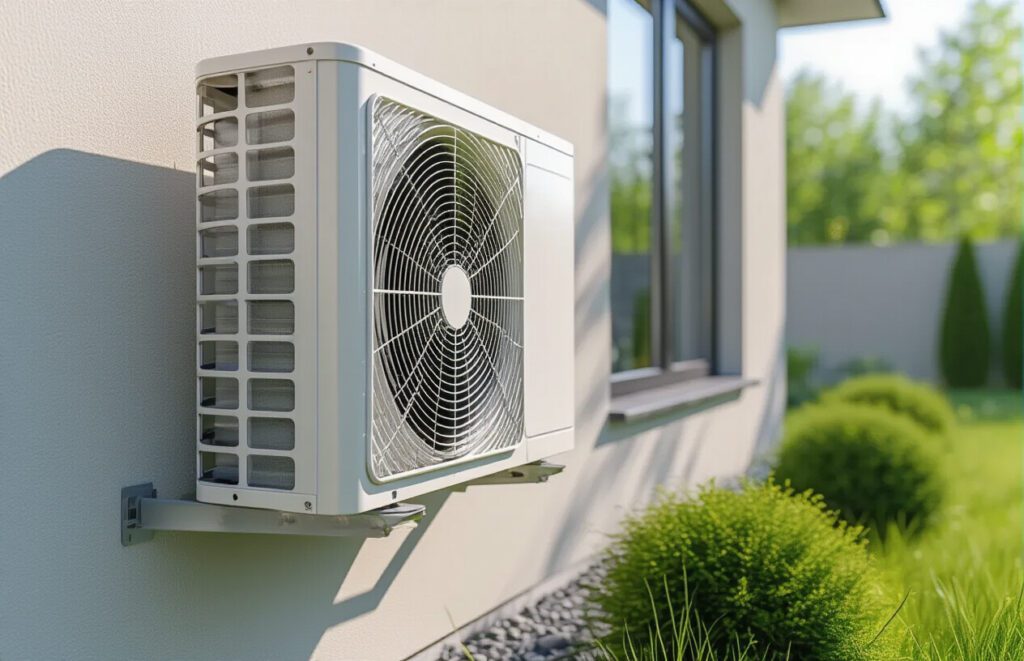
Keeping your AC running smoothly really comes down to staying on top of a few key areas. Regular filter changes, keeping your outdoor unit clean and unobstructed, maintaining your indoor components, and following smart operating habits will help you get the most out of your system. These simple steps can save you money on energy bills and prevent costly breakdowns during those sweltering summer months.
Don’t forget that professional tune-ups play a huge role in your AC’s long-term health. While you can handle the basic maintenance tasks yourself, having a qualified technician inspect your system annually catches potential problems before they become expensive repairs. Start with these maintenance practices today, and your AC unit will reward you with reliable, efficient cooling for years to come.
.